One of the most important things anyone does in their life is choosing which career to follow. As we spend so much of our lives working, it is key to settle on a career that you not only find enjoyable but that is also rewarding in a professional and financial sense. Many people will also look for career paths to take which offer the chance to progress as time passes and allows them to work closely with a range of colleagues.
Journalism is an enduringly popular choice in this regard and is an option with plenty of benefits to consider. It is possible to work in many different kinds of roles in this sector, for example, and access vacancies in the industry on a global scale.
A role in journalism may see you move into a job closer to home on a local paper or move abroad to cover the latest sports news for a foreign online news site. Working in journalism also enables you to build close bonds with colleagues, network with a range of different people in the sector, and enjoy a fast-paced, interesting work environment.
How do you become a journalist?
As you may expect, it is not possible to move into this type of job without the right education behind you. By taking the time to learn what all modern professional journalists need to know (such as interview techniques, podcasting, social media posting, mobile experiences, and much more), students emerge ready to begin their careers in the industry.
Studying on a journalism course is also a great way to network within the sector and access the best job opportunities to apply for. St. Bonaventure University’s online master’s journalism gives you all the skills and knowledge needed to begin working as a professional journalist. With no GRE/GMAT required and the chance to complete the program in just over a year, it offers a 100% flexible way for any aspiring journalist to learn the core skills that will help in their future career.
One thing you will learn about on a course such as this is attending press conferences—but what does this involve?
What are press conferences?
These are official events that organizations or individuals arrange when they have important news to release to the media. They are also used to provide official public information to the media or allow organizations and individuals to address a specific issue when required.
Press conferences are not only important for the information they provide to the media. They also represent a crucial way for the media to keep the public informed on the latest news and issues that they should know about.
In addition, these events are considered a primary news source. This means the information provided to the media is from an original source and that press conferences themselves are considered original sources of news. In most cases, any information passed onto the media at this sort of event will have clear evidence to back up any statements or figures. As a result, the details aired at them can be considered more authentic.
How should graduate journalists prepare for press conferences?
The primary source press conferences provide plus the easy way they allow organizations and individuals to pass important news onto the media means they are a key part of most journalist’s daily roles. Anyone who is about to graduate from a journalism course, or has recently graduated, therefore needs to know how to navigate them properly.
Adequate preparation will enable new journalists to act professionally in this setting, and also know what to expect. In addition, it will also mean graduate journalists pick up all the relevant information needed for their piece at the events themselves.
When it comes to career tips and advice, being prepared is always one to focus on. This is true for journalism and especially for press conferences, which can be loud, hectic, and busy places. But what are the best prep-tips graduate journalists should take on board at these events?
Prepare your equipment in advance
The array of equipment modern journalists use in their jobs includes transcription tools, social media platforms, and messaging apps. Attending a press conference will also see certain equipment used, and it is key for graduate journalists to have it ready in advance.
Common kit graduates in this profession tend to use at press conferences include digital voice recorders, pens, notepads, microphones, tablets, and smartphones. Make sure that any digital devices such as smartphones are charged up and digital voice recorders are also charged or have fresh batteries in. It is also essential to check that any pens you take along work—should your digital kit fail and you need to record the key points in a more traditional way.
By doing this, you avoid any last-minute rush to have your kit ready before the event and have everything you need in place to cover it properly. Getting your equipment ready beforehand also means you can fix any issues with it prior to the press conference. This is a lot more professional than rushing around in a blind panic at the conference itself, trying to quickly fix a hardware issue.
Do your research on the topic
When it comes to graduate journalists being prepared to attend press conferences, taking some time to conduct proper research in advance is critical. This is because it enables you to get a broader understanding of what the event may cover and be ready to report on it in a more informed fashion. Having a good understanding of the topic can also help when taking the information down and building a top-quality article around it afterward. In the modern age, the internet is the most convenient and speedy way to go about it. With this in mind, it is worth spending some time browsing trusted sources online in advance and digging deeper into information that may be useful regarding a press conference you are attending.
This can include:
- Background of the company/person who has called the press conference
- Information on the topic which is set to be discussed
- Any recent press coverage related to the topic
- Details of where the press conference is being held so you know how to get there
Write out some questions
Although doing your research in general not only makes you look more professional at the conference and means you are better informed on what it covers, it can also help when thinking of what questions you might ask. This is very important to do in advance, as it means you can ask questions that are insightful and will lead to a good story afterward.
Do not be tempted to try and come up with questions to ask off the top of your head in the middle of the press conference. Whilst very experienced journalists may get away with this, it is not a good idea for those who have just graduated. The hustle and bustle of the event may make it too hard to come up with questions on the spot for newly qualified journalists.
Having questions ready to ask in advance also means you spend more time listening to the answers you get back, more time listening to the questions other reporters ask, and generally being able to concentrate more fully on what is happening around you.
Be punctual
One of the golden rules of covering a press conference for all journalists is being punctual. This means that remembering to arrive on time is a good tip in terms of prep for graduate journalists. Try to arrive earlier than the scheduled start of the press conference and before most of the other journalists turn up. This should see you get a good spot to ask questions from and not get lost at the back of the crowd.
Turning up a little earlier is also wise as it means you avoid coming in late and disrupting the event when it has started, which may be seen as unprofessional.
Arriving in good order also gives you time to read through the press kit and glean any nuggets of information from it that you may want to seek clarification on. It also enables reporters to meet informally with speakers before the event starts officially and build a rapport with them. This can then help when trying to get your questions heard and trying to get straight, detailed answers to your queries.
Be polite and show courtesy to all
All journalists know that press conferences can be pretty full-on—those present do not always act in the most professional manner. Do not be tempted to do this yourself though, as it will not only annoy the majority of other reporters but also upset the people who have organized the event.
Professionalism is key, and with this in mind, a good tip for newly qualified journalists attending press conferences is to always be polite and always be courteous to everyone present. This includes speakers and fellow journalists.
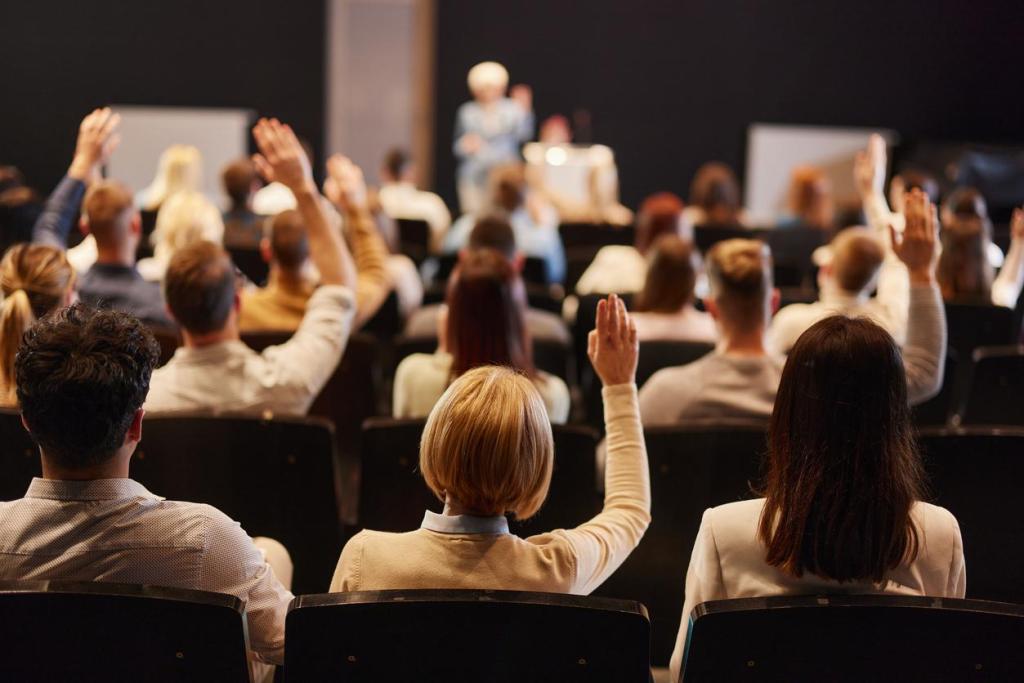
When the time comes, put your hand up to ask a question and quietly wait for your turn. Introduce yourself and your organization before putting your query to the speaker. Once you have asked your question, listen to the reply (don’t interrupt) and note down or record what they say.
Don’t be intimidated by high-profile speakers
Some press conferences that graduate journalists may attend could involve high-profile speakers with a high status in society. A good example of this is conferences held by presidents, prime ministers, global entrepreneurs, and company CEOs. You may also get asked to cover a press conference being held by famous names in TV, movies, music, and sport.
As a journalist just starting out in the industry, it can be all too easy to feel a little overawed or intimidated by such high-profile personalities. This can be especially true if the subject of the event is someone you are a fan of or feel a positive connection with. When getting ready to attend these kinds of events, therefore, it is essential for graduate journalists to not let the stature of the speaker(s) intimidate them.
Take some time to think about the conference beforehand and prepare yourself to not only be in the presence of the speaker but also talk to them. It can also be worth reminding yourself why you are at the conference and the crucial role you play in society as a journalist. This can prevent you from feeling intimidated and ensure you are in the right place mentally to ask tough questions when needed.
Stick to reporting the facts
As the above tip shows, it is important to have the right mentality if you are a graduate journalist getting ready to cover a press conference. Key to this is remembering that you are there to report the facts and pass them on to the public via the media outlet you work for.
You are not there to put your own spin on what is said or give your own opinion on the information presented. It is crucial that you take this on board and avoid writing objective, opinion pieces when covering these events.
It is simply a case of turning up, collecting the stated facts, and putting them together in a logical order for the public to view. They can then make their own mind up on what has been said by the company/individual in question and what they think about it.
Remember back-up equipment
Although you should not need it if you get the equipment needed for covering a press conference ready in advance, having some backup kit is always sensible. This means having spares of things such as pens, paper, batteries, chargers, and digital voice recorders in a separate bag from your main equipment is advisable.
By doing this you are covered if, for example, the bag with all your main batch of kit in is stolen right before the conference starts. It also covers you if the kit you have checked randomly stops working as the conference is about to begin or some of it breaks after you mistakenly drop it on the floor.
Having a backup plan is never a bad idea in life and the same is true for any switched-on graduate journalist getting ready for a press conference. It is likely that you will never use the spare equipment you take along, but preparedness is something that can give you an edge.
What skills and traits can help graduate journalists at press conferences?
Whilst the above covers some handy tips on how graduate journalists can prepare to attend a press conference, it is also key to being able to perform well at the event itself. Preparing well in advance is naturally a major help but working to refine the relevant skills/traits which can aid better performance at press conferences is also crucial.
In terms of skills, graduate journalists need excellent communication, networking, IT, and writing skills. In terms of personal traits that graduate journalists could find helpful in terms of covering press conferences, calmness under pressure is a crucial one. This is because press conferences are high-pressure situations that require the journalists present to work well under stress. Traits such as quick thinking, assertiveness, self-confidence, and emotional intelligence (for building rapport with speakers) can also come in handy.
Preparation is key for graduate journalists attending press conferences
Once you graduate as a journalist, you will be ready to move into your first role and begin building your career in the sector. Attending press conferences is a common duty of a journalist, and graduates must be ready to come out of them with all the information they need.
Key to being able to do this is preparing for these events properly in advance, so you are perfectly set to get the most from them. This is not always easy for graduates though, because they do not have the real-world experience of covering them to rely on. An accredited course combined with the above advice should give you all the knowledge you need to be able to cover press conferences effectively.